


After the success of the first Green Hackathon in Serbia, this year’s edition confirmed even more strongly that the greatest environmental challenges are solved where knowledge, innovation, and an interdisciplinary approach meet.Green Hackathon 2025. It brought together young researchers, students, engineers and innovators with a common goal, which is to offer sustainable solutions to one of the most complex problems of modern waste management through the application of science and green technologies.
The focus of this year’s hackathon was on selective processing of plastics from electrical and electronic (EE) waste, which poses a particular challenge due to the presence of toxic additives, above all phthalates and polybrominated flame retardants (PBDEs)These substances make recycling of plastics significantly more difficult, pose risks to human health and the environment, and often render valuable materials unusable.
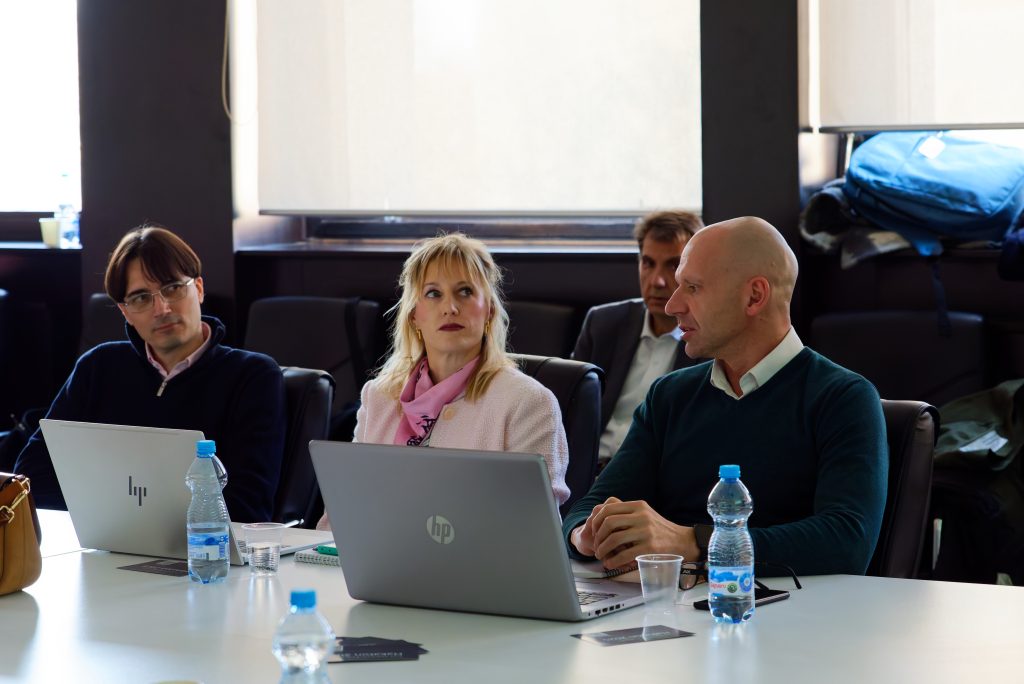
During the hackathon, teams developed innovative solutions based on the principles of green chemistry, circular economy, and industrial applicability. The proposed solutions can be divided into two key areas.
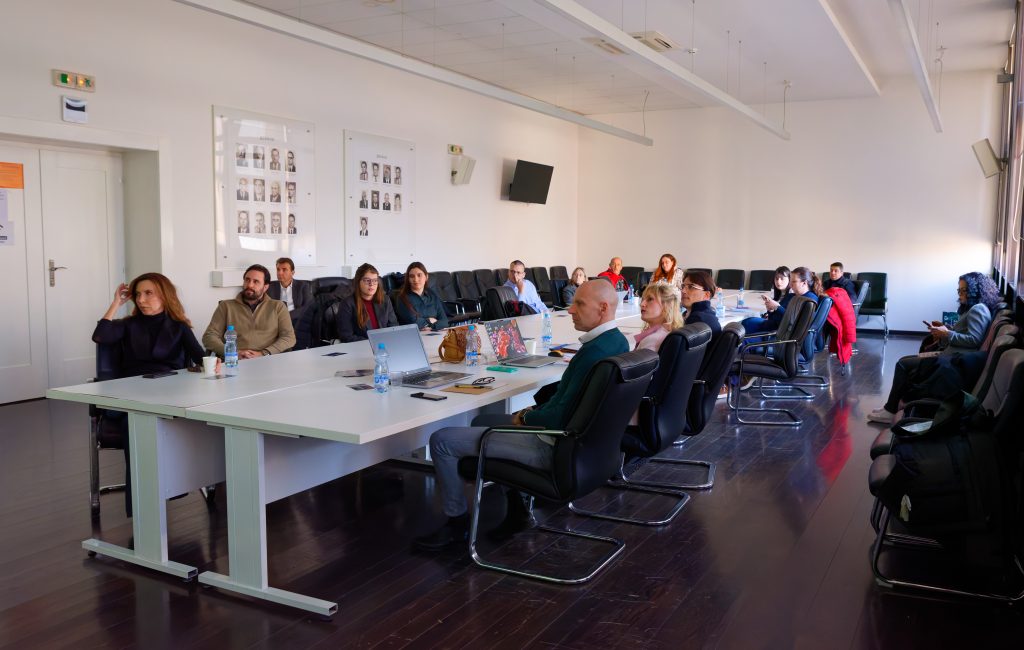
Innovative approaches to phthalate treatment
In the extraction and degradation of phthalates, the teams offered different technological approaches:
- Use of supercritical CO₂ as a green solvent (GreenSC),
- extraction with less harmful solvents with biodegradation (FreeHack),
- photocatalytic degradation phthalate (GreenBiVo),
- extraction with the addition of surfactants, followed by decarboxylation to benzoic acid (Sphericon).
These solutions demonstrate how advanced chemical and biotechnological methods can be applied to remove hazardous additives with minimal environmental footprint.
Solutions for the permanent disposal of PBDEs
When it comes to PBDEs, teams focused on methods that allow for either their removal or permanent stabilization:
- extraction and photocatalytic treatment (GreenLaw),
- encapsulation and solidification into geopolymer matrices (Trashformers), which disposes of toxins in infrastructure materials in the long term and prevents their further spread into the environment.
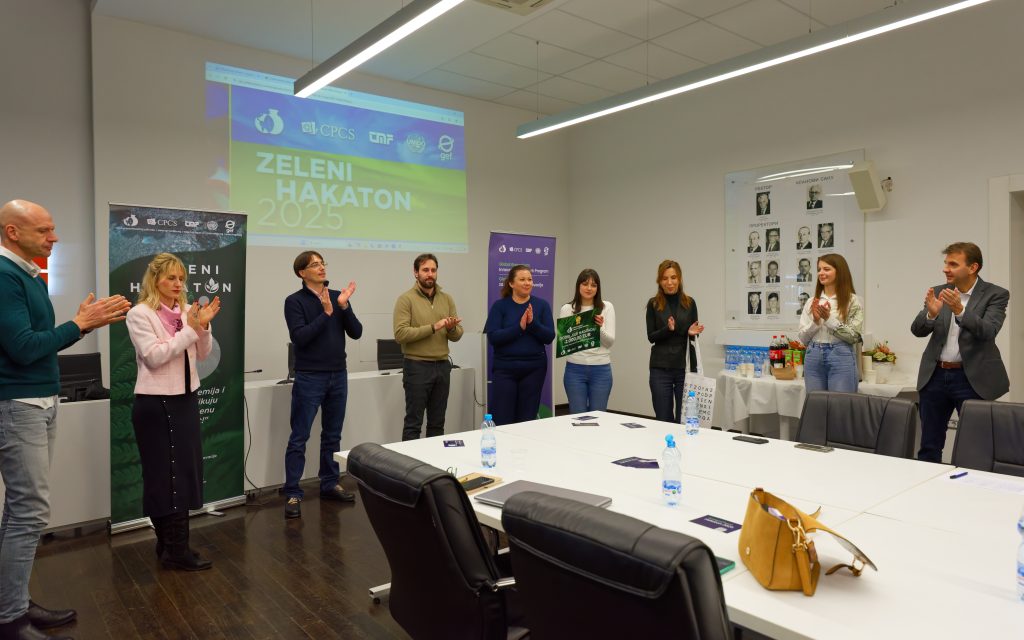
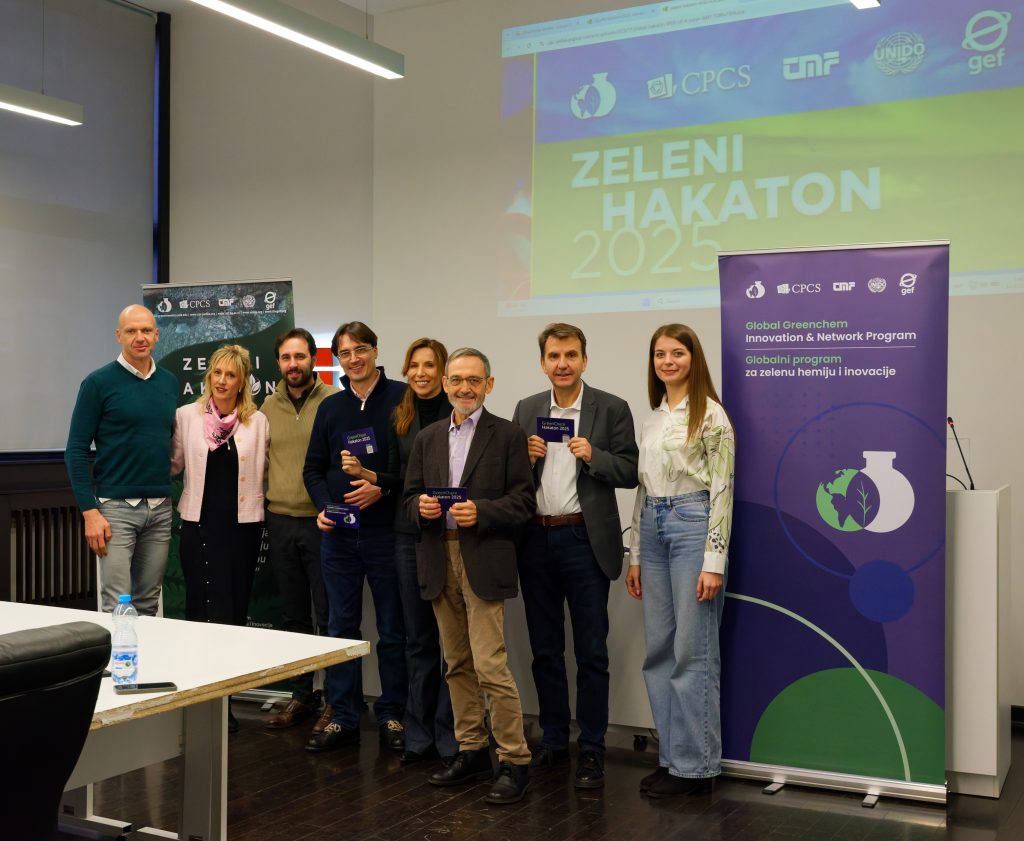
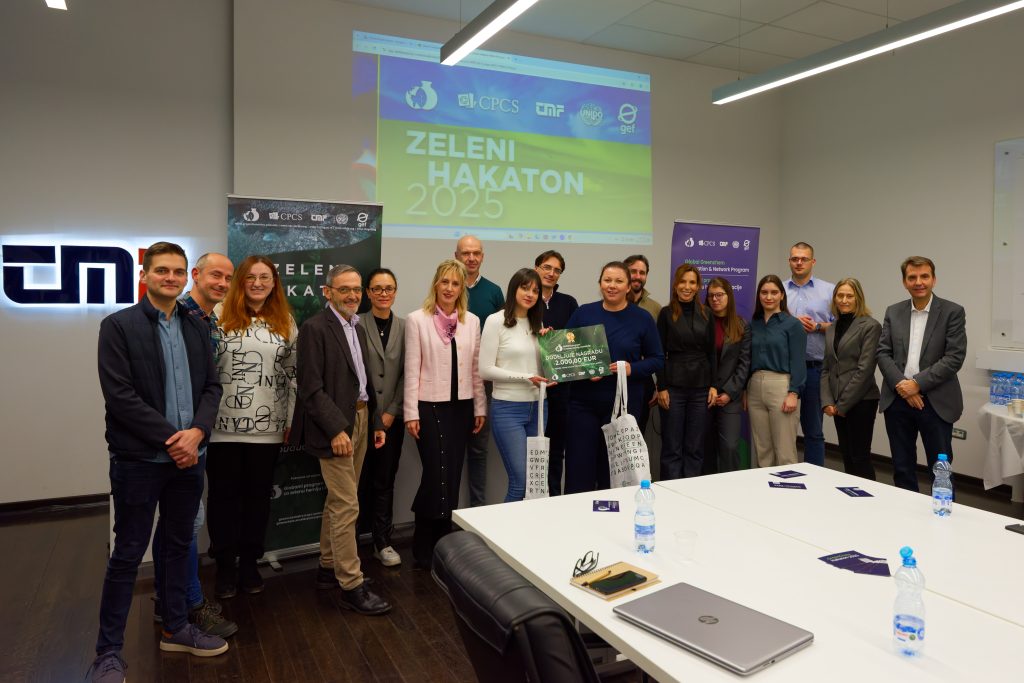
Winning team – FreeHack
Winning team FreeHack particularly stood out with its comprehensive and long-term sustainable approach to solving the problem of phthalates in plastics from EE waste. Their solution addresses one of the key barriers to efficient recycling and is based on the principles of circular economy, without creating new waste.
The proposed methodology includes five clearly defined phases:
- separation of plastics, including PVC, by selective flotation,
- dechlorination of PVC using ethylene glycol,
- extraction of phthalates with less harmful solvents (ethanol, ethyl lactate), assisted by microwaves,
- microbiological biodegradation of phthalates (e.g.Bacillus subtilis),
- further use of the obtained polymers in polymer concrete.
As a result of the process, we obtain phthalate-free polymers, but also carbon electrodes for supercapacitors, which further increases the value of recycled materials and strengthens the connection between recycling, energy and industry.
Science as the foundation of sustainable solutions
The Green Hackathon 2025 once again showed that innovations in the field of waste management are not just a theoretical concept, but concrete and applicable solutions with real potential for industry, infrastructure and sustainable development. The event was also an opportunity to exchange knowledge, connect participants from different fields and strengthen cooperation between academia, innovators and business. Congratulations to the winning team FreeHack, as well as to all participants for the creative, courageous and scientifically based solutions they presented. The Green Hackathon continues to build a space where ideas grow into sustainable practices of the future.